


Bert Flugelman
Story compiled from research by Lisa Conolly
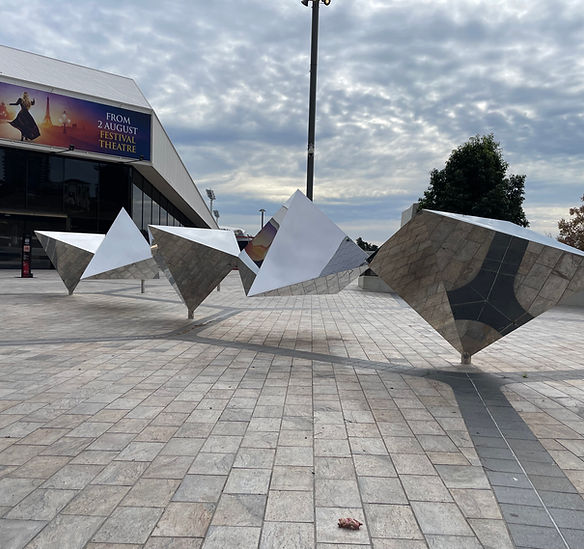
Figure 1: Tetrahydrons, by Bert Flugelman. Installed 1974
This sculpture stands in the Adelaide Festival Centre Plaza, installed as part of the original Adelaide Festival Centre development. Bert settled in Adelaide in 1972 and lived here for about a decade. There are many public art works by Flugelman around Adelaide, including The Spheres (1977, a.ka. Malls Balls) in Rundle Mall.
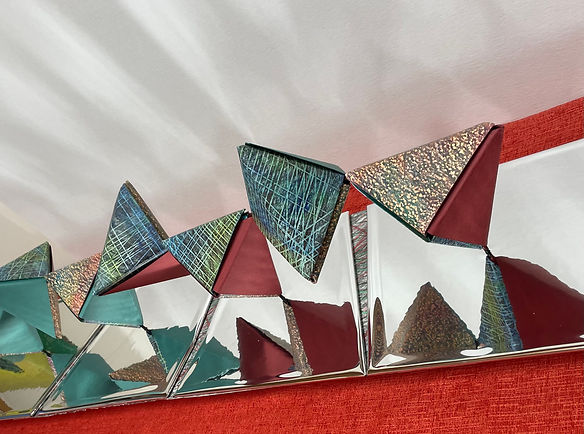
Figure 2: Reflecting on Bert's sculpture, Tetrahydrons, by Lisa Conolly, Origami assembly.
In my origami assembly I reflect on the tetrahedra forms using textured paper. My assembly uses bipyramids which are a slightly different shape - I have used right angled triangles rather than equilateral triangles.
I have included a mirrored surface on the base to literally and metaphorically reflect on Berts work. Bert had said that "the sculptures become ambiguous objects in the sense that they reflect their surroundings in a painterly way" (from Art Gallery of New South Wales web site).
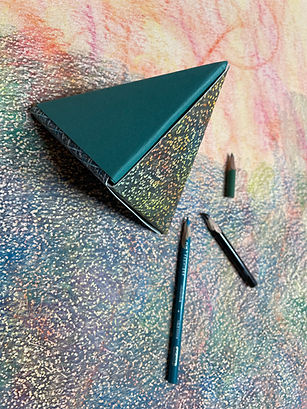
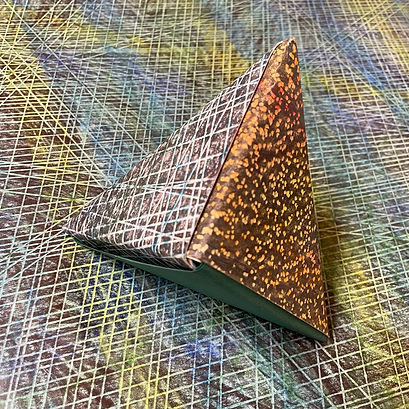
Figures 3 and 4: Origami paper pyramids under construction.
My origami pyramids were constructed from paper that had been scribed to create texture over a base layer of pastel. I then applied a top layer of coloured pencil and graphite over the scribed surface. The origami was constructed from three modules that fit together.

FIgure 5: Crane reflected in Berts sculpted surfaces. Photo by Lisa Conolly, July 2026
The Adelaide Plaza is currently undergoing further development, with a large tower being built adjacent the sculpture. The sculpture bares witness to the change in its shiny surfaces.
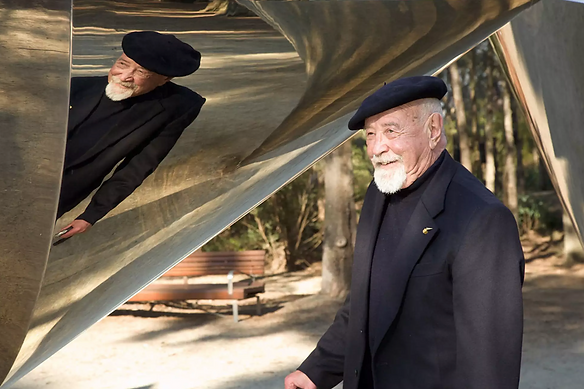
Figure 6. Bert Flugelman, with Cones in the sculpture garden of the Art Gallery of Australia, Canberra
For the sculpture Tetrahydrons Bert has combined seven geometric shapes in a row. He said in an interview with Deborah Hart that "If you have seven, it’s already long enough to read as an endless column in the vertical or horizontal. You imply that it goes on and on and on and on."
I am very grateful that Bert's sculpture lives on, in spite of the ongoing construction and change. It has a simple geometry that provides an intriguing and strangely peaceful dynamic with the urban environment.
While Bert is best known for his steel sculptures he also did other interesting projects. Less is known about these - including a buried steel sculpture in Canberra, and a Euphonium (musical instrument) that he set on fire. What is that about I wonder? I do enjoy art that rouses curiosity and challenges our perceptions. I will post more information here as I learn more, but some questions may never be answered - and that may be the point.
References
Adelaide Festival Centre Art Collection, Bert Flugelman https://www.adelaidefestivalcentre.com.au/collections/bert-flugelman, viewed 18/7/2026
Art Gallery of NSW, Herbert Flugelman,
https://www.artgallery.nsw.gov.au/collection/artists/flugelman-herbert/
Deborah Hart , Interview with Bert Flugelman, Published posthumously on 28 May 2021, In Conversation, https://nga.gov.au/stories-ideas/national-treasures/, (viewed 29/7/2026)
Peter Pincer, Flugelman, On Further Reflection, 2008, The Watermark Press
Figures
Figure 1. Figure 1: Tetrahydrons, by Bert Flugelman. Installed 1974, Photo by Lisa Conolly, July 2026
Figure 2. Reflecting on Bert's sculpture, Tetrahydrons, by Lisa Conolly, Origami assembly, (paper, pencil, pastel, reflective paper, card), 98 x 22 x 22 cm
Figure 3: Textured paper for origami pyramid in progress, Photo by Lisa Conolly, June 2026
Figure 4: Textured paper for origami pyramid in progress, Photo by Lisa Conolly, June 2026
Figure 5. Crane reflected in Berts sculpted surfaces. Photo by Lisa Conolly, July 2026
Figure 6. Bert Flugelman, with Cones in the sculpture garden of the Art Gallery of Australia, Canberra, Photo from Art Gallery of Australia web site, (not dated, photographer not attributed) https://nga.gov.au/stories-ideas/national-treasures/